
Jazz, of course, but hip hop, blues and pop, too.Vancouvers Bill Runge doesn't genres and categories limit is playingJim Dupuis 1 of 2 Next>
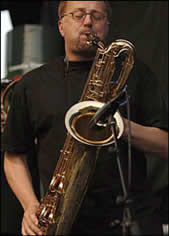
JD: First let’s find out about your background and stuff, Brian. When did you first show an interest in music? BR: Oh, I think I was twelve, maybe around grade six. There was a teacher who taught the mandatory recorder class. I liked playing the recorder and he played guitar. He was sort of a ‘folkie’ guy and he would sing songs and we’d play the melody on the recorder. One of the kids had a C-melody saxophone. I thought it was pretty cool and that was the first exposure. JD: Were your parents musically inclined? BR: No. Well actually my grandmother did play the piano and my mother as well, but since we didn’t have a piano, I never did hear them play (laughs), so I don’t know how important that was. JD: Over the years then, who taught you the most about music? BR: Um, that’s a tough question. Well, truthfully I’m mostly self-taught, but I’d have to say that learning by example from great musicians and studying records is something that all of us do to hone our craft, but I’d also say that I did have a teacher, when I was a teenager—one of several—but he was really good in teaching me how to teach myself. He sort of showed me the way that you could do your own analysis and figure out what you needed to study on your own--sort of a self motivation, because you can’t always have a teacher there to tell you what to do. JD: That’s true. Give him a plug. Who was the teacher? BR: Klaus Pinto, and I think he’s living in White Rock, BC, now. JD: Bill, you are a composer, arranger, performer—you’re kind of doing it all. What is your favourite part? What do you like doing the best? BR: I’ve liked everything, but I find that as I’m getting older, that I really like working on orchestration, which I would say is a form of arranging, but a little more involved; but, definitely the composition/arranging, because I like to be able to hear the finished product and it lives on. Music is much more ephemeral in performance. You play it and it’s gone. You have the feeling of what it’s like, but when you finish playing it’s gone. To have something that exists and can be played again and have a continuing life—I think I’m liking that a lot. JD: That does make sense: the continuing aspect and for posterity and the like. Now, you’ve been a part of many different kinds of bands. You’ve been a part of such bands as Powder Blues, Jim Byrnes’ band, your Creatures of Habit jazz group and B3 with Bob Murphy and Buff Allen and not to mention your most recent band. It’s just amazing that you play all different kinds of music. How do you manage to do that—switch from one format to another—you know—it doesn’t seem to be any problem for you. BR: I don’t know. I just always try to be faithful to what I’m doing—I mean most of JD: Ok. Let’s talk about the kind of music that you like. If I were to go to your house right now and hit the button on your CD player. What would pop out? BR: Nothing. JD: Nothing? BR: I don’t listen to much music and the reason is that I’m around music a lot already and I prefer to have quiet (laughs), but if you go into my car—I’ll tell you what you would find in the CD player. You’d find Joni Mitchell’s Both Sides Now, which is a recent release of her doing a bunch of her tunes, but they are arranged for orchestra. So, I’m getting back to that orchestral thing and you’d find a CD by Anne Schaeffer from Victoria, who is a friend of mine and is a great singer songwriter. I did play on the CD, but I really like what she does. We’ve talked about collaborating on a tour sometime in the fall. Her music is somewhat Latin based as she lived in Argentina for awhile. 1 of 2 Next> |
Reviews
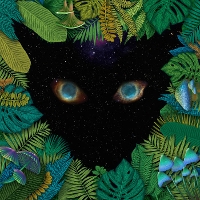
Mngwa
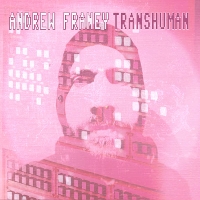
Andrew Franey
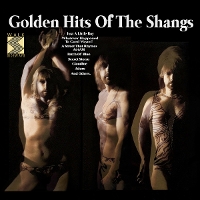
The Shangs
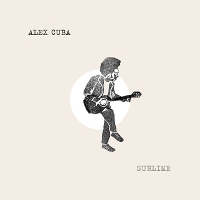
Alex Cuba
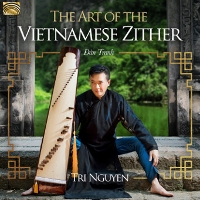
Tri Nguyen
Defend The Rhino

Talltale
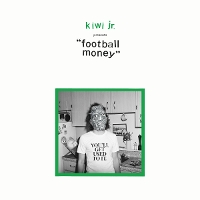
Kiwi Jr.
Plaster

Hyness
Black Suit Devil
Yamantaka // Sonic Titan
The Pack A.D.
Chad VanGaalen
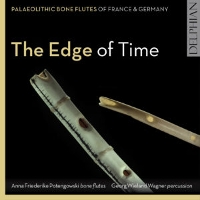
Potengowski Anna Friederike
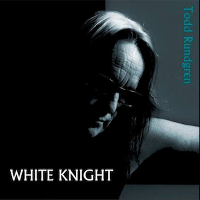
Todd Rundgren
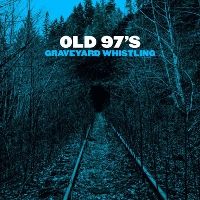
Old 97's
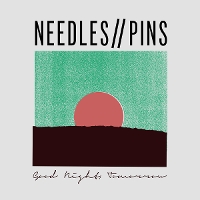
Needles//Pins
This Month
!earshot Top 200 of 2021For January to December 2021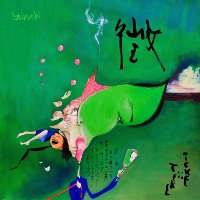
|
|||
| TW | Artist - Title - (Label) | ||
|---|---|---|---|
| 1 | TEKE::TEKE 
Shirushi - (Kill Rock Stars) |
||
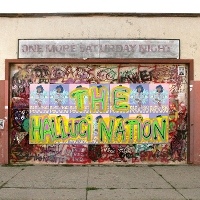
| 2 | The Halluci Nation
One More Saturday Night - (Radicalized) |
||
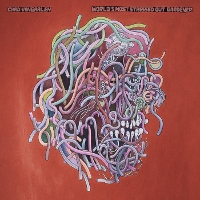
| 3 | Chad VanGaalen
World's Most Stressed Out Gardener - (Flemish Eye) |
||
| 4 | The Weather Station
Ignorance - (Next Door) |
||
| 5 | Kiwi Jr.
Cooler Returns - (Kiwi Club) |
||
| 6 | Arlo Parks
Collapsed In Sunbeams - (Transgressive) |
||
| 7 | Ada Lea
one hand on the steering wheel the other sewing a garden - (Next Door) |
||
| 8 | Sook-Yin Lee & Adam Litovitz
jooj two - (Mint) |
||
| 9 | Suuns
The Witness - (Secret City) |
||
| 10 | Andy Shauf
Wilds - (Arts & Crafts) |
||
|
View the full !earshot Top 200 |
|||
| Specialty Charts #1s | |||
| Electronic: | The Halluci Nation - One More Saturday Night - (Radicalized) | ||
| Hip Hop: | Cadence Weapon - Parallel World - (Self-Released) | ||
| International: | Lakou Mizik and Joseph Ray - Leave The Bones - (Anjunadeep) | ||
| Jazz: | Adrian Younge - The American Negro - (Jazz Is Dead) | ||
| Loud: | Tunic - Exhaling - (Artoffact) | ||
| Folk/Roots/Blues: | Allison Russell - Outside Child - (Fantasy) | ||
 As I started compiling the material there was a thread of being influenced by South American music-these pieces that I'd written.


